The Soul of Indian Temples: Architecture, Astronomy & Mysticism
A Journey Into India’s Sacred Science, Ancient Wisdom & Divine Design
Indian temples are more than places of worship — they are living architectural wonders, cosmic energy centers, and masterpieces of ancient engineering. For thousands of years, temples across India have been designed with scientific precision, astronomical alignment, and deep spiritual symbolism.
This blog explores the hidden secrets, sacred geometry, and timeless beauty behind India’s temple heritage.
🕉️ 1. Architecture Rooted in Cosmic Science
Indian temples are built according to the Shilpa Shastra and Vastu Shastra, ancient architectural texts that focus on energy flow, geometry, and universal harmony.
🔹 Key Architectural Features
- Garbha Griha (Sanctum) – The core point of energy where the deity resides.
- Mandapa (Hall) – Represents the journey from the outer world to the inner self.
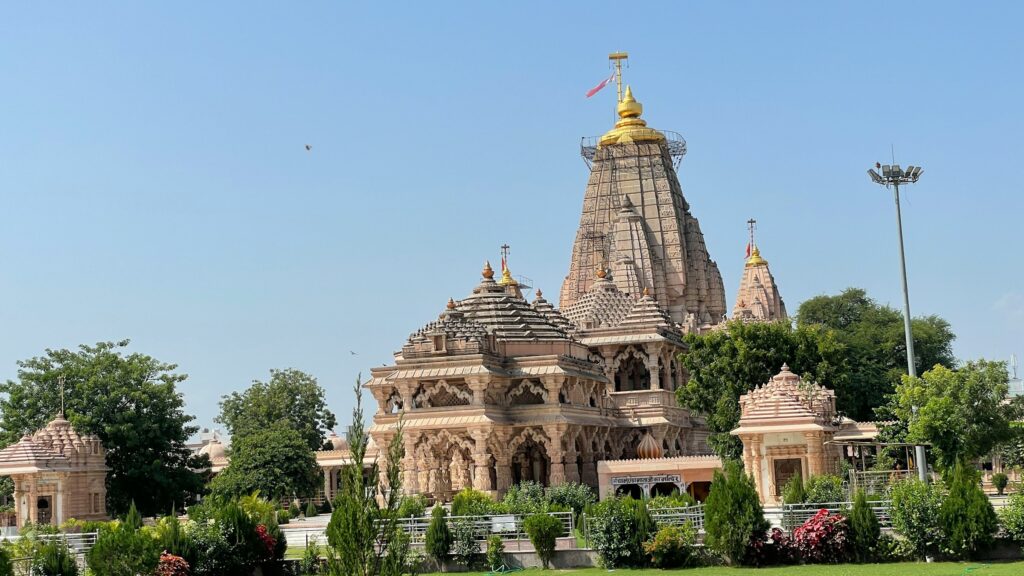
- Shikhara / Vimana – The towering structure symbolizing the cosmic mountain Meru.
- Prakara (Temple walls) – Boundary between material and spiritual realms.
Every pillar, carving, and angle has meaning — nothing is accidental.
🌞 2. Astronomical Genius Behind Temples
Many Indian temples are aligned with the sun, moon, constellations, or specific planetary positions.
🔸 Examples of Astronomical Precision
- Sun Temple, Konark – Built as a colossal chariot aligned with the rising sun.
- Brihadeeswara Temple, Tamil Nadu – Never casts a shadow at noon due to engineering brilliance.
- Meenakshi Temple, Madurai – Aligned with ancient equinox patterns.
- Shore Temple, Mahabalipuram – Designed based on tidal movements and celestial geometry.
These alignments weren’t just aesthetic — they enhanced the temple’s energy fields.
🔱 3. Mysticism: Why Temples Feel So Powerful
Ever wondered why you feel a sense of peace inside a temple?
The secret lies in energy dynamics.
⚫ The Murti Isn’t Just a Statue
The deity is consecrated through rituals called prana pratishtha, infusing life-force energy.
🔔 Bells, lamps, incense, chanting
Each element has a purpose:
- Bells create sound vibrations that clear the mind.
- Camphor lamps purify the air and activate positive ions.
- Mantras elevate frequency and calm the mind.
- Pradakshina (circumambulation) synchronizes breath with movement.
📿 Temples are built at high-energy zones
Ancient builders selected locations based on:
- underground water streams
- magnetic fields
- cosmic radiation
- natural vibration points
This is why temples rejuvenate the mind, body, and soul.
🏛️ 4. Symbolism Hidden in Every Structure
Indian temples are spiritual textbooks carved in stone.
Symbolic Elements
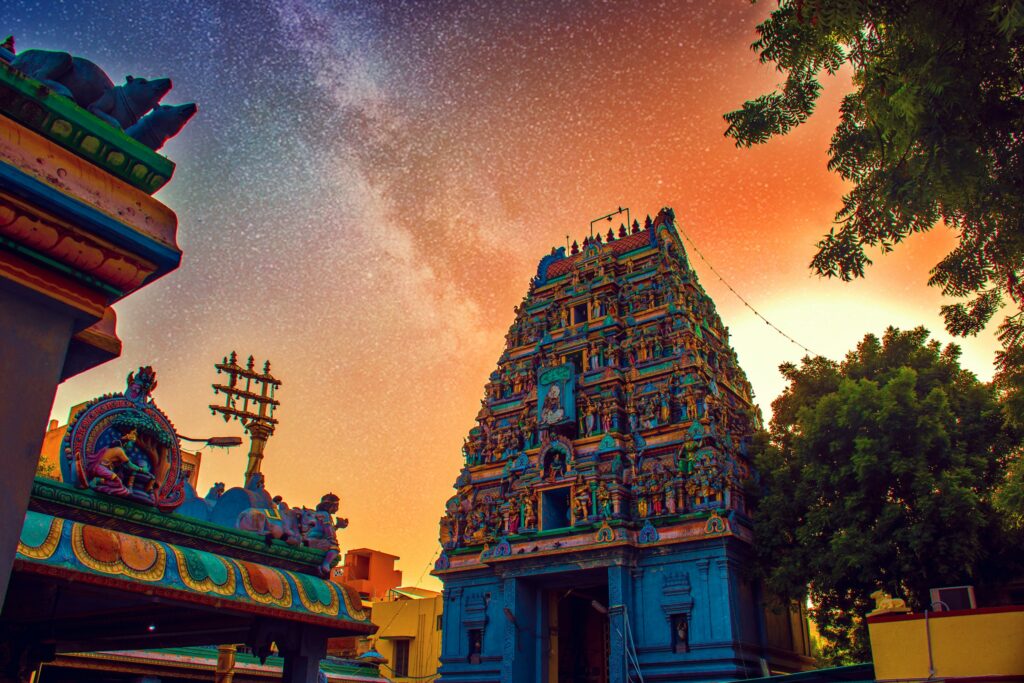
- Gopurams tell mythological stories through intricate sculptures.
- Lotus motifs reflect purity and cosmic creation.
- Mandala patterns represent the universe.
- Dvarapalakas (guardians) protect the sacred space.
Even the path to the sanctum is symbolic — from chaos to consciousness.
🔥 5. Notable Temples That Reflect This Sacred Science
1. Kailasa Temple, Ellora
Carved from a single rock — a feat still unmatched in the world.
2. Jagannath Temple, Puri
Defies logic:
- No shadow
- Flag flies opposite the wind
- Ocean sounds disappear inside the temple
3. Khajuraho Temples
Renowned for their harmonious blend of art, architecture, and tantra.
4. Veerabhadra Temple, Lepakshi
Floating pillar and engineering marvels that amaze even today.
🌺 Why Indian Temples Are Eternal
Indian temples are libraries of ancient wisdom, combining spirituality, art, science, engineering, and philosophy into one harmonious creation. They aren’t just monuments — they are experiences that transform you.
To walk into a temple is to step into a beautifully designed universe where every sound, scent, stone, and sculpture guides you inward.
⭐ Final Thoughts
From astronomical alignments to sacred geometry and mystical rituals, Indian temples reflect the brilliance of a civilization far ahead of its time. Whether you’re a traveler, a seeker, or a lover of art and history — exploring India’s temples is a journey into the soul of a timeless culture.