
About Bali Pass Trek
The Bali Pass Trek is one of the most thrilling and scenic treks in the Himalayas. It connects two beautiful valleys—Yamunotri Valley and Har Ki Dun Valley—making it a unique and adventurous route 🌄
This trek takes you through dense pine and fir forests, stunning landscapes, and peaceful villages that reflect the rich local culture. Along the way, you will also visit the breathtaking Ruinsara Lake, a perfect spot for lakeside camping and relaxation 🏕️
The trail offers everything—lush greenery, waterfalls, mountain views, and a true Himalayan experience. It is especially known for its raw beauty and less crowded paths, making it ideal for adventure lovers.
Since Bali Pass is a high-altitude trek, proper acclimatization is very important. Trekkers are advised not to rush and to give their body enough time to adjust to the altitude for a safe and enjoyable journey.
✨ Bali Pass is not just a trek, it’s a complete adventure through nature, culture, and challenge.
Why is Bali pass Trek famous?
Bali trek pass is famous for its natural beauty.
It is one of the amazing places for the tourist and the rangers for trekking.
This is mostly liked by the foreigners and the major higher companies assigning the trekking projects.
This Bali pass is majorly famous for its adventure, trekking, and exploring the highest peak of mountain ranges and also the high altitude atmospheric pressure.
Trek difficulty level in Bali ?
As this location looks beautiful the difficulty levels keep on increasing as this trek is at the higher level side of Garhwal so the density of the level of breathing keeps on decreasing as the level of the tourist keeps in difficulty just because of the higher range of the snowfall and the trekking becomes more difficult.
This also because of the cold breeze hinging for the trekkers to move upwards side and the valleys goes on deeper on the other end.
This trek looks amazing and beautiful but it is not for the minors and not also for the beginners to understand the level of breathing and the trekking gets much difficult.
Short Itinerary
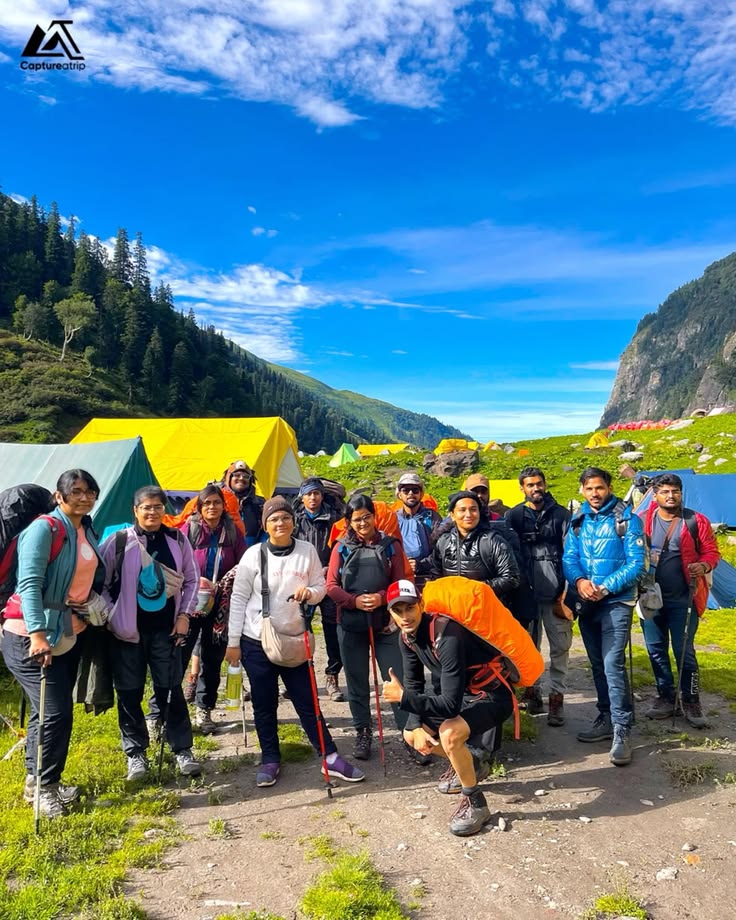
Detailed Itinerary
Day 1: Dehradun to Sankri; Drive 200kms, 8 Hours.
Let’s start your day with the beautiful and amazing feel from Dehradun to Sankri which is almost about 200 to 220 km approx., start with your beautiful day with the good atmosphere and energy from Dehradun by grabbing a bus of those who are rider start as early as possible. You can easily get a bus from the Mussorie bus stand to the Sankri village which resided just side the railway station of Dehradun.
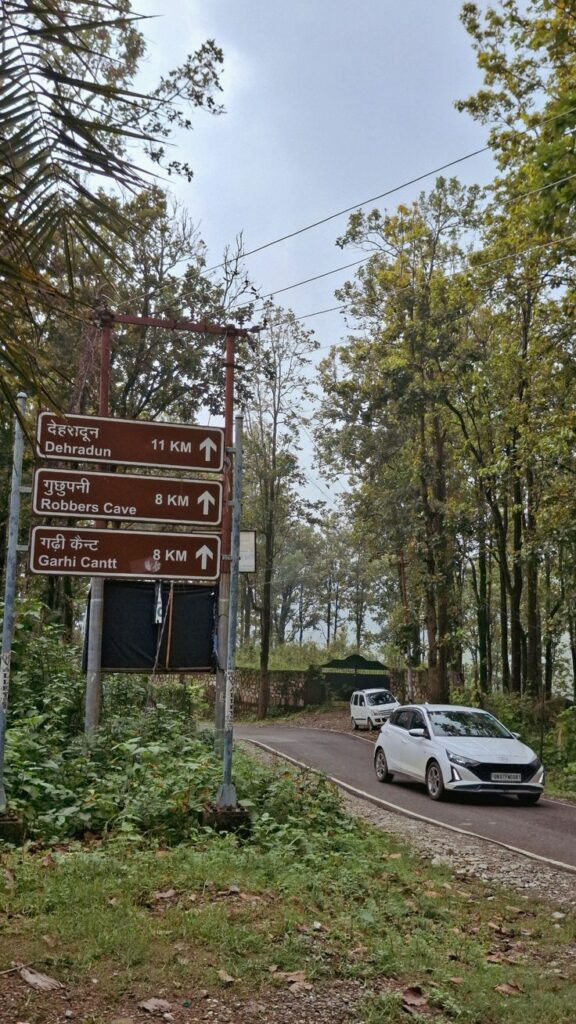
Day 2: Sankri to Taluka Seema; Drive 12kms, Trek 14 kms.
After arriving at Sankri Village, take some time to explore this beautiful Himalayan village known for its rich culture and peaceful surroundings 🏡
The journey continues with a drive or trek towards Taluka (depending on road conditions, as weather in Uttarakhand can change frequently). From Taluka, the trek begins towards Seema village.
Distance: ~12–15 km | Time: 4–5 hrs
The trail passes through dense forests filled with chestnut, walnut, and chinar trees, offering a refreshing and scenic experience 🌿 Along the way, you will also cross the charming Gangad Village, a small and peaceful Himalayan settlement.
From Gangad, it takes around 2–3 hours to reach Seema, where you will rest for the day surrounded by nature and mountain views 🌄
Overnight stay at Seema (camps/homestay) ⛺
Day 3: Seema – Dev Thatch Untigad Campsite/Ruinsara Tal; Trek 18kms.
Start your day early with a fresh morning in the mountains and a healthy breakfast before beginning your trek towards Ruinsara Lake 🏞️
The trail begins with a gradual ascent through beautiful forest sections and open landscapes. Within the first 1–2 hours, you will reach the stunning Dev Thatch meadow—a vast stretch of alpine grassland located at an altitude of around 3200–3500 meters 🌿
This scenic meadow, spread across 1.5–2 km, offers breathtaking views and a perfect spot to relax and soak in the beauty of the Himalayas. After spending some time here, continue your trek further towards the Untigad campsite.
As you move ahead, the trail becomes more adventurous, with mesmerizing views of valleys, streams, and surrounding peaks, making the journey truly unforgettable 🏔️✨
Upon reaching the campsite near Ruinsara, relax and enjoy the peaceful lakeside atmosphere.
Overnight stay at campsite ⛺
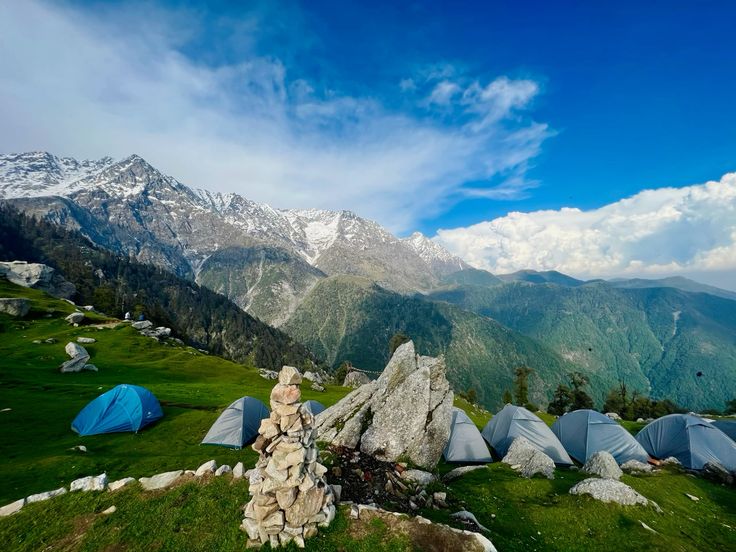
Day 4: Untigad Campsite/Ruinsara Tal – Bali Pass Base Camp (Odari); Trek 6kms.
Start your day at the peaceful Untigad campsite, located at an altitude of around 3,630 meters. Enjoy the fresh mountain air and beautiful views of surrounding Himalayan peaks 🌄
After breakfast, begin your trek towards the Bali Pass base camp. The trail passes through scenic landscapes with birch trees, rocky paths, and open mountain views, making the journey calm and refreshing 🌿
As you gain altitude, the surroundings become more raw and adventurous, giving you a true high-altitude trekking experience. Take short breaks along the way to rest and enjoy the serenity of the mountains.
By the afternoon, reach the Bali Pass base camp, where you can relax and prepare for the next day’s summit climb 🏔️
Overnight stay at base camp ⛺
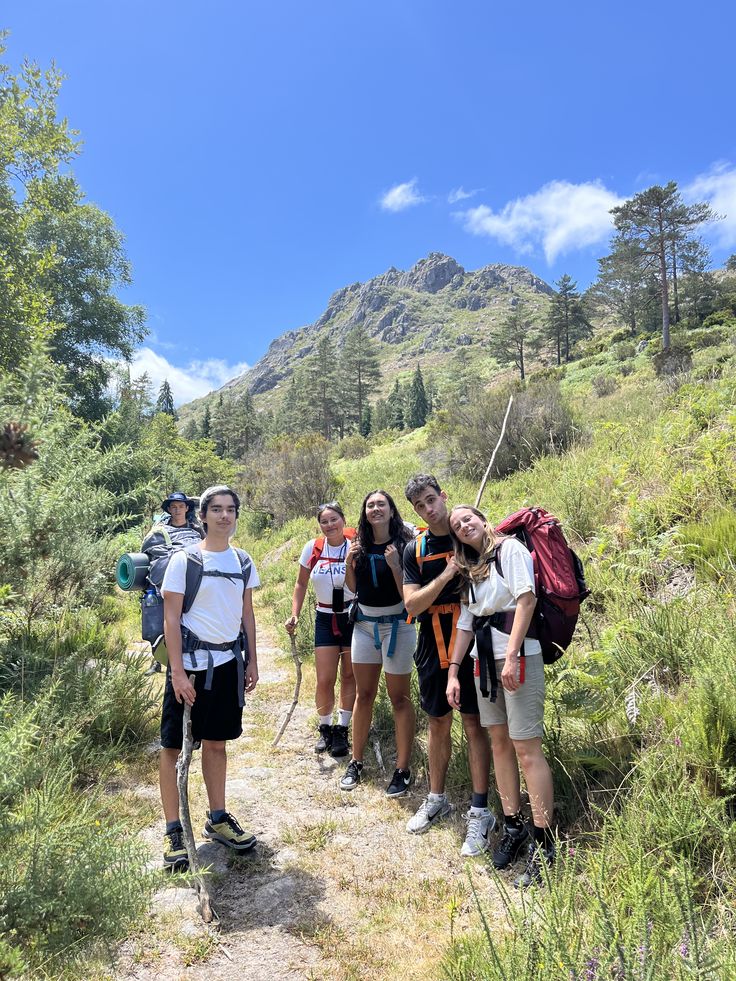
Day 5: Bali Pass Base Camp (Odari) – Bali Pass – Damini Forest Camping Ground; Trek 12kms.
Start your day early around 4:00 AM to ensure a safe and smooth summit attempt. The trail today is challenging and requires focus, as you move towards the Bali Pass summit 🏔️
You will be equipped with safety gear like crampons and ropes to cross snow sections and tricky patches. While ascending, be careful around crevasses and steep climbs.
As you reach the Bali Pass summit, you’ll be rewarded with breathtaking views of snow-covered Himalayan peaks—an unforgettable moment of the trek ❄️✨
After spending some time at the top, begin your descent towards the Yamunotri side. This route is steeper and more technical, so extra caution is required.
Continue descending until you reach Damini Camp, where you can rest after a long and adventurous day.
Overnight stay at campsite ⛺
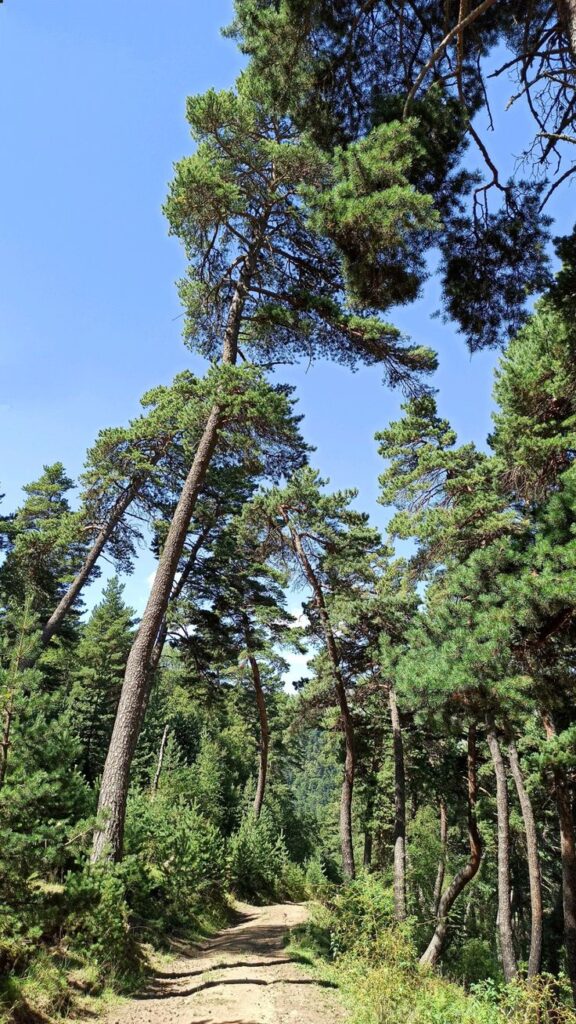
Day 6: Damini Forest Camping Ground – Yamunotri – Janki Chatti – Barkot; Trek – 11km\ Drive – 12kms.
One more fine morning starts from Damini trek which goes to the Yamunotri shrine which is one of the most beautiful Chardham Yatra of Uttarakhand.
After worshipping one of Chardham yatra starts your trek down to reach Janki Chatti. Reaching this place gives rest to your body and take a drive to reach Barkot.
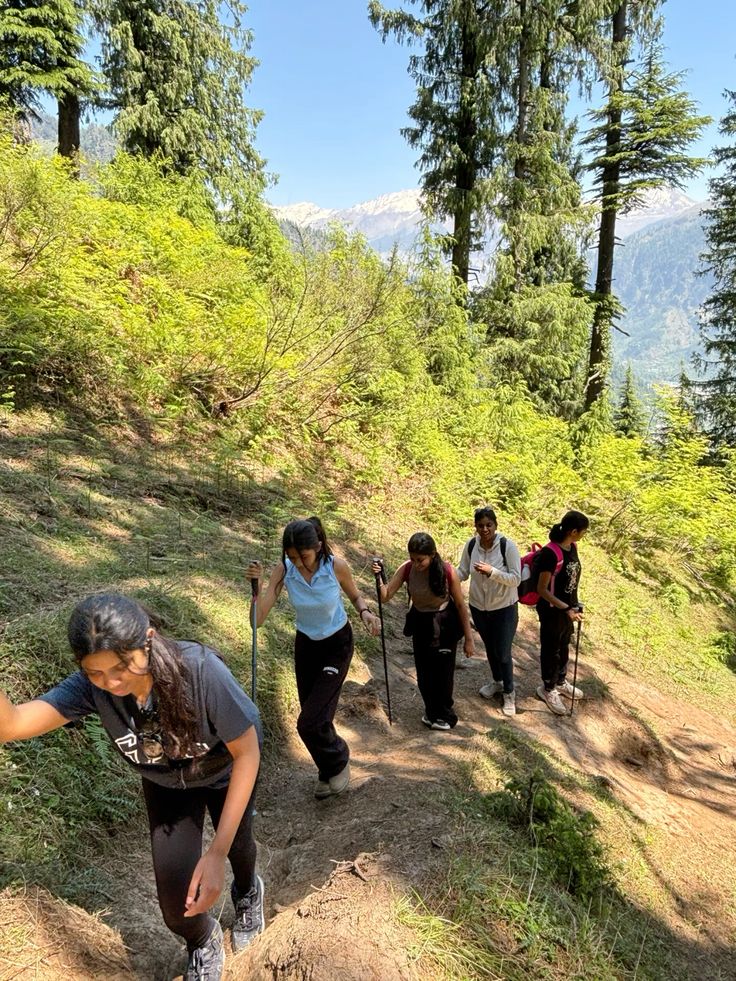
Day 7: Barkot – Dehradun; Drive – 200kms, 8 hours.
Now, this is the day to collect all your memories and to stay goodbye to this beautiful place and catch a bus early in the fine morning to reach Dehradun.
Hope you enjoy, your journey, be always safe and happy.
Inclusion
Exclusion
Things to Pack
Gears on Rent (This price is for per day)
Think about your head
Be comfy at the trek
Mind your step
Personal Utilities
Keep these handy
The Bali Pass Trek is located in the Uttarkashi district of Uttarakhand, connecting the Har Ki Dun Valley with the Yamunotri region in the Garhwal Himalayas.
The best time for the trek is May to June and September to October, when the weather is stable and the mountain views are at their best.
The Bali Pass Trek is a difficult trek. It is recommended for experienced trekkers with good physical fitness and previous high-altitude trekking experience.
The highest point of the trek is 16,207 feet (4,940 meters) at Bali Pass.
The trek typically takes 8 to 9 days, depending on the itinerary and weather conditions.
Yes. Previous trekking experience is highly recommended due to the steep ascents, snow-covered trails, and high-altitude terrain.
The trek offers breathtaking views of:
Carry:
Most Bali Pass Trek packages include accommodation in tents or guesthouses, along with nutritious vegetarian meals throughout the trek. Check your package inclusions for specific details.
No. Due to its high altitude, technical sections, and challenging terrain, the trek is not recommended for beginners.
Mobile network coverage is available only in some lower villages. Most parts of the trek have limited or no network connectivity.
Begin preparing at least 6–8 weeks before the trek by focusing on:
Yes. Since the trek reaches over 16,000 feet, trekkers should acclimatize properly, stay hydrated, and follow the trek leader’s instructions to reduce the risk of altitude sickness.
Yes, when undertaken with an experienced trekking organization, trained guides, and proper safety equipment. Always follow your guide’s instructions and be prepared for changing mountain weather.